



 317-274-7182
 Contact Us
 Chat With Us
 Ask A Medical Librarian
 Feedback




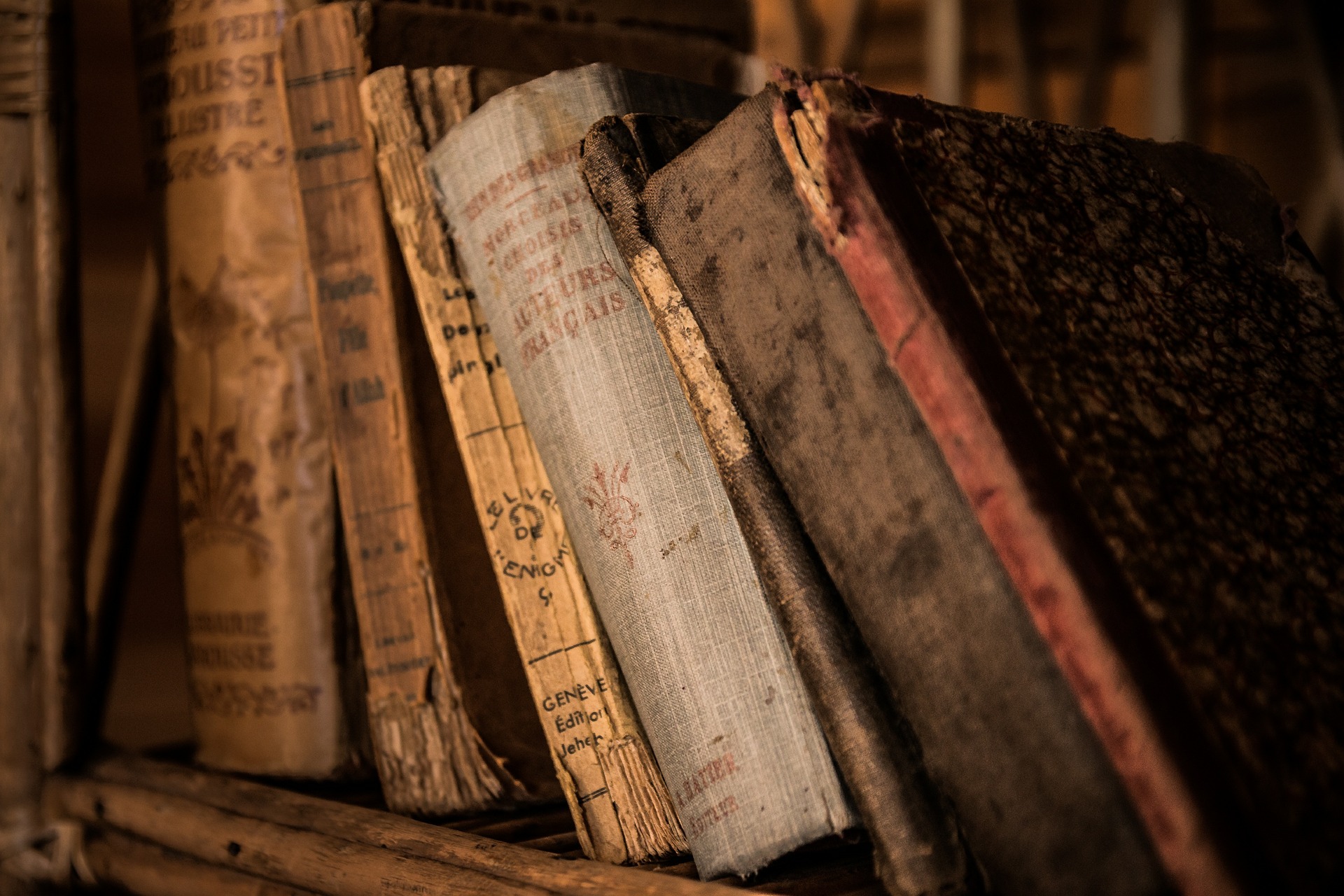
The History of Medicine Collection
The History of Medicine Collection supports research and learning at the IU School of Medicine by collecting, preserving, interpreting, and providing access to unique materials documenting the history of medicine within the global context of the Western medical tradition.
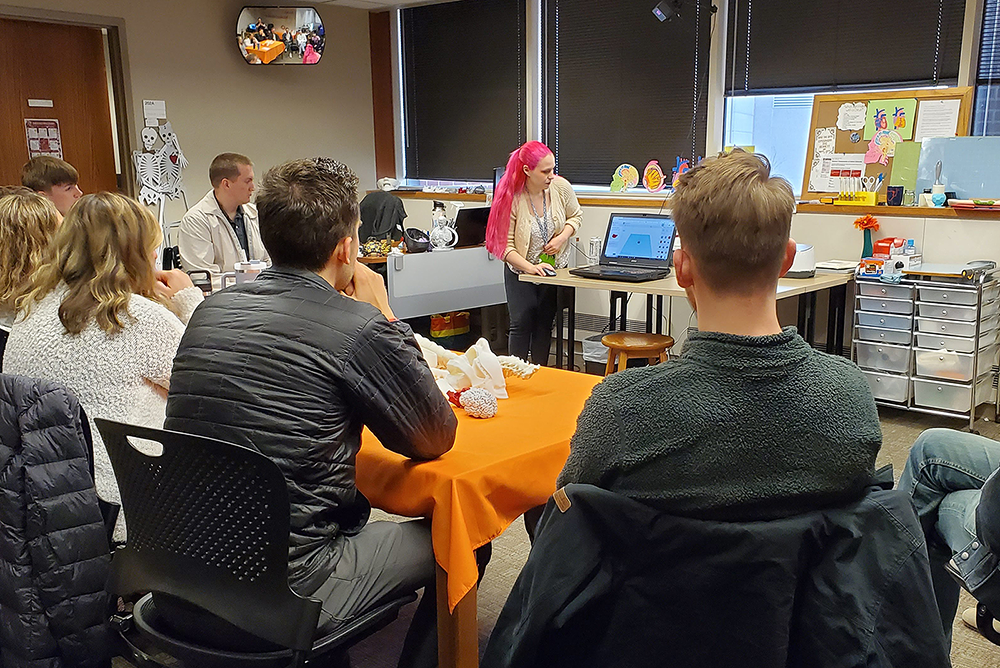
The Makerspace
The Makerspace is a creative learning lab offering access to emerging technologies such as 3D-printing, VR software and headsets, an IQ wall, and more... all for study, creating study aids, or simply to engage in a creative process for mental wellness.

Upcoming Classes
RLML Medical Librarians teach a variety of free online research skills classes based on the needs of IUSM students, faculty, and staff. Check out our upcoming class schedule, find out how to request a custom class, or take a peek at our help sheets and tutorials on the latest popular research tools.
Popular Resources
- John Shaw Billings History of Medicine Series Presents" "An Origin Story for 'Big Pharma' in the Reign of Louis XIV? An Early Modern History for the Present"
On Friday, April 5th the John Shaw Billings History of Medicine Society […]
- History of Medicine Book of the Week: The Toxic Amblyopia (1896)
The Toxic Amblyopias: Their Classification, History, Symptoms, Pathology, and […]